Why You’re Tired, Foggy, and Second-Guessing Every Business Decision (It’s Not a Mindset Problem)
Mar 17, 2026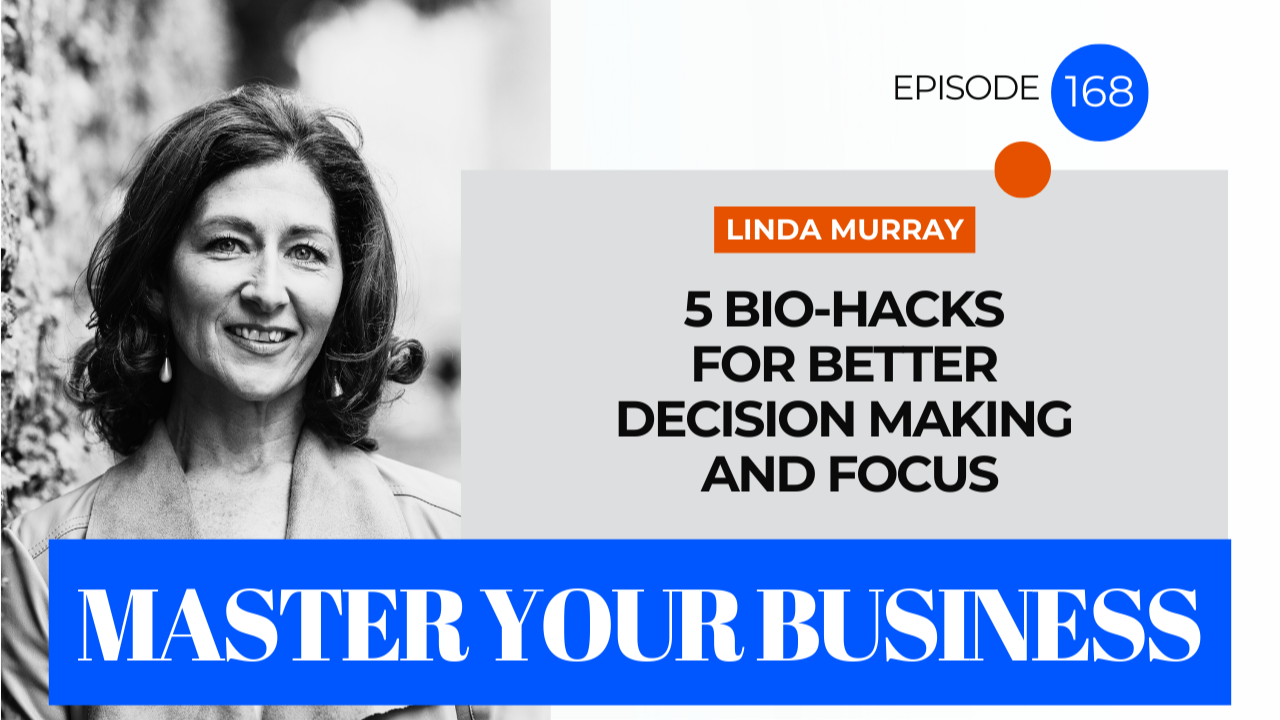
Struggling with brain fog, low energy, and second-guessing business decisions?
In this episode of Master Your Business, Deirdre Martin sits down with registered nutritional therapist Linda Murray to unpack how nutrition directly affects founder focus, decision-making, and mental clarity.
If you are running your business on coffee, chaos, and convenience snacks, this conversation will change how you think about energy, clarity, and performance.
Listen to the full episode here:
Key Takeaways
-
Second-guessing your business decisions can often be linked to unstable energy and inconsistent nutrition rather than a lack of confidence.
-
Eating balanced meals with protein, fibre, colour, and healthy fats helps stabilise focus and mental clarity throughout the workday.
-
Many “high protein” snacks contain hidden sugars that cause blood sugar spikes and afternoon energy crashes.
-
Increasing plant diversity in your diet supports the gut microbiome, which influences mood, resilience, and cognitive performance.
-
Creating one repeatable “default meal” protects your decision-making energy for the work that matters most.
“Your brain is part of your body. Stop feeding it like it is optional.”
You are not imagining the fog.
It is that moment in the afternoon when writing a simple email suddenly feels harder than it should. You start second-guessing a decision you felt confident about just a few hours earlier. Many founders assume this is stress or a lack of discipline. But the truth is usually simpler. You are under-fuelled.
When you try to scale to a seven-figure business on coffee, chaos, and whatever snack is closest to hand, your thinking gets expensive. In this blog from the Master Your Business Podcast, I speak with Linda Murray, registered nutritional therapist and co-founder of Beoga Nutrition. Linda works with busy professionals who want more energy, better digestion, and improved mental clarity without extreme diets or unrealistic routines.

The conversation explores the biological side of entrepreneurship. The part most founders ignore until their performance starts slipping.
“When your energy crashes, what can happen is your standards drop.”
Why Your Brain Stops Making Good Decisions
Many business owners treat focus as a personality trait. They assume some people simply have it and others don't. Linda explains that focus is actually a biological resource. Your brain needs stable fuel to perform well. When meals are skipped and energy comes mostly from caffeine or quick snacks, blood sugar levels swing. These swings affect mood, attention, and decision-making capacity.
Instead of thinking strategically, your brain begins looking for quick relief. You become reactive. That is when you start second-guessing pricing decisions, delaying important work, or responding emotionally to situations that normally would not bother you.
The Founder Snack Trap
Many entrepreneurs fall into the same pattern. Breakfast gets skipped because the day starts early when you have other responsibilities, like getting the kids out to school on time. Lunch becomes a biscuit, a coffee, or something grabbed between calls. By mid-afternoon, energy crashes, focus drops, and everything feels more sluggish than it should.
“A lot of my clients already have a really good diet. It is just these kind of strategies or structures where they are getting caught.”
Willpower has nothing to do with this! Ironically, it's a structural problem. When your brain is already busy making business decisions, food becomes another task to avoid, or something else you don't want to have to think about. The outcome then is that you default to whatever is quickest and most convenient.
Breaking this cycle does not require a complete lifestyle overhaul. It requires structure so that nourishing your body becomes automatic.
The Truth About Health Halos
Food marketing is extremely persuasive. Words such as “high protein”, “natural”, or “clean” appear on packaging and create what Linda calls a health halo. These labels make a product feel healthier than it actually is. The only reliable way to know what you are eating is to flip the packet over and read the ingredients and nutritional information.
Many high-protein bars and granolas contain more sugar than people expect. That sugar spike can lead to a rapid drop in blood sugar a few hours later, which contributes to the foggy feeling many founders experience in the afternoon.
A better approach is to build meals around whole foods where possible. If you enjoy granola, buy a simple version and add nuts and seeds yourself. This increases protein, healthy fats, and fibre while reducing hidden sugars.
Feeding the Fat in Your Head
The brain contains a large amount of fat, which means healthy fats are essential for cognitive function. Omega-3 fatty acids play an important role in brain health, memory, and concentration. Linda recommends remembering the SMASH list when considering oily fish as a source of omega-3.
- Salmon
- Mackerel
- Anchovies
- Sardines
- Herring
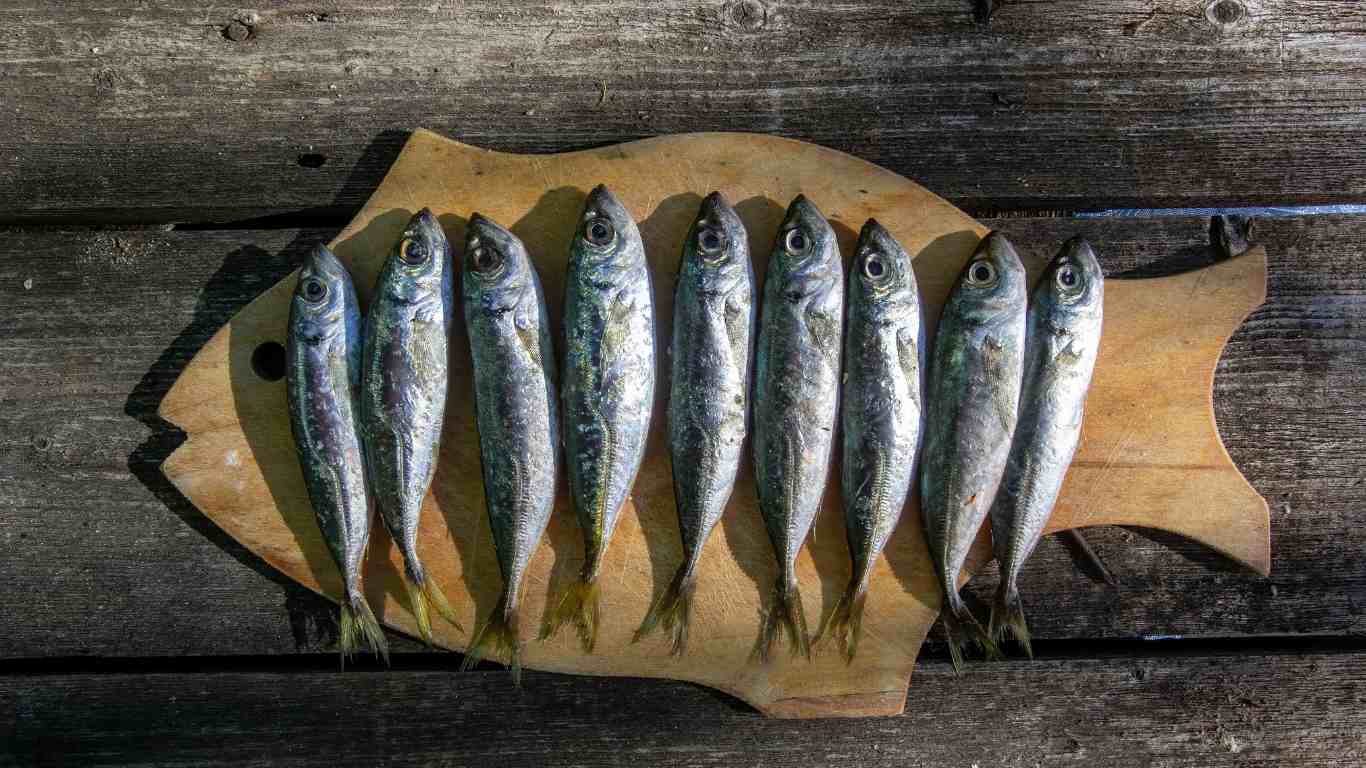
Including these foods regularly can help support cognitive performance. Eggs are also valuable because the yolk contains choline, a nutrient linked with brain function and memory.
Diversity is Your Stress Shield
Your gut and your brain communicate constantly. The bacteria living in your digestive system influence mood, immune function, and how your body responds to stress. Fibre feeds these beneficial bacteria.
Linda suggests aiming for thirty different plant foods across the week. This target encourages variety rather than perfection. Every fruit, vegetable, herb, nut, seed, and legume counts towards the total. A more diverse gut microbiome is associated with better resilience, steadier mood, and more consistent energy.
Make Your Decisions Automatic
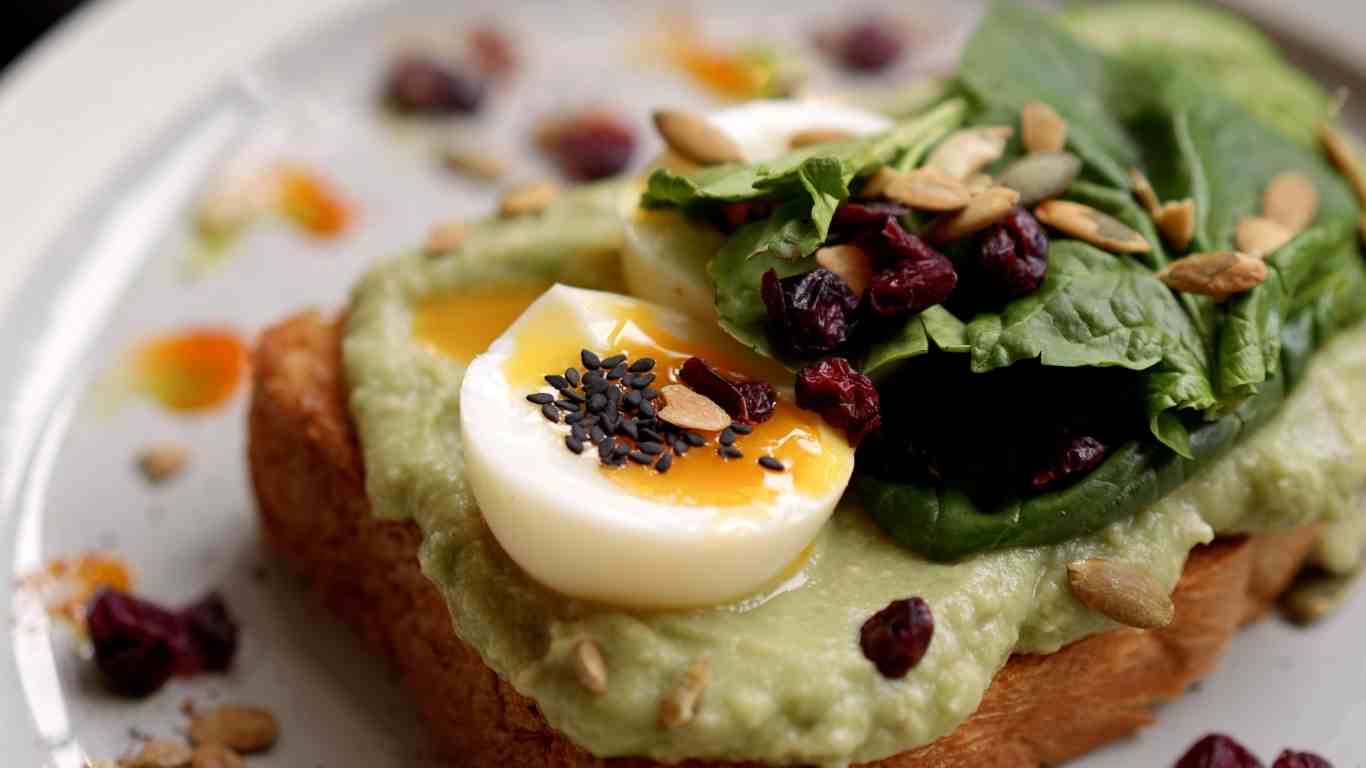
The most practical advice in this conversation is simple. Start small. Instead of trying to redesign your entire diet, pick one meal that regularly causes problems. Solve that first. Create a repeatable default meal that requires almost no thinking.
This might be eggs on toast, a smoothie you make every morning, or a prepared soup kept in the fridge. When one meal becomes automatic, you reduce daily decision fatigue and stabilise your energy at the same time.
Consistency beats intensity every time!
How Nutrition Affects Founder Decision-Making
Entrepreneurs, consultants and coaches rely on cognitive performance more than most professionals. Every pricing decision, hiring decision, strategy and client conversation requires sustained focus.
When nutrition is inconsistent, dehydration and blood sugar swings can make it harder to concentrate. This increases doubt and slows down your decision-making. Stabilising your energy through balanced meals, hydration, and nutrient-dense foods gives your brain the resources it needs to operate effectively.
A Simple Way to Hit 30 Plants a Week
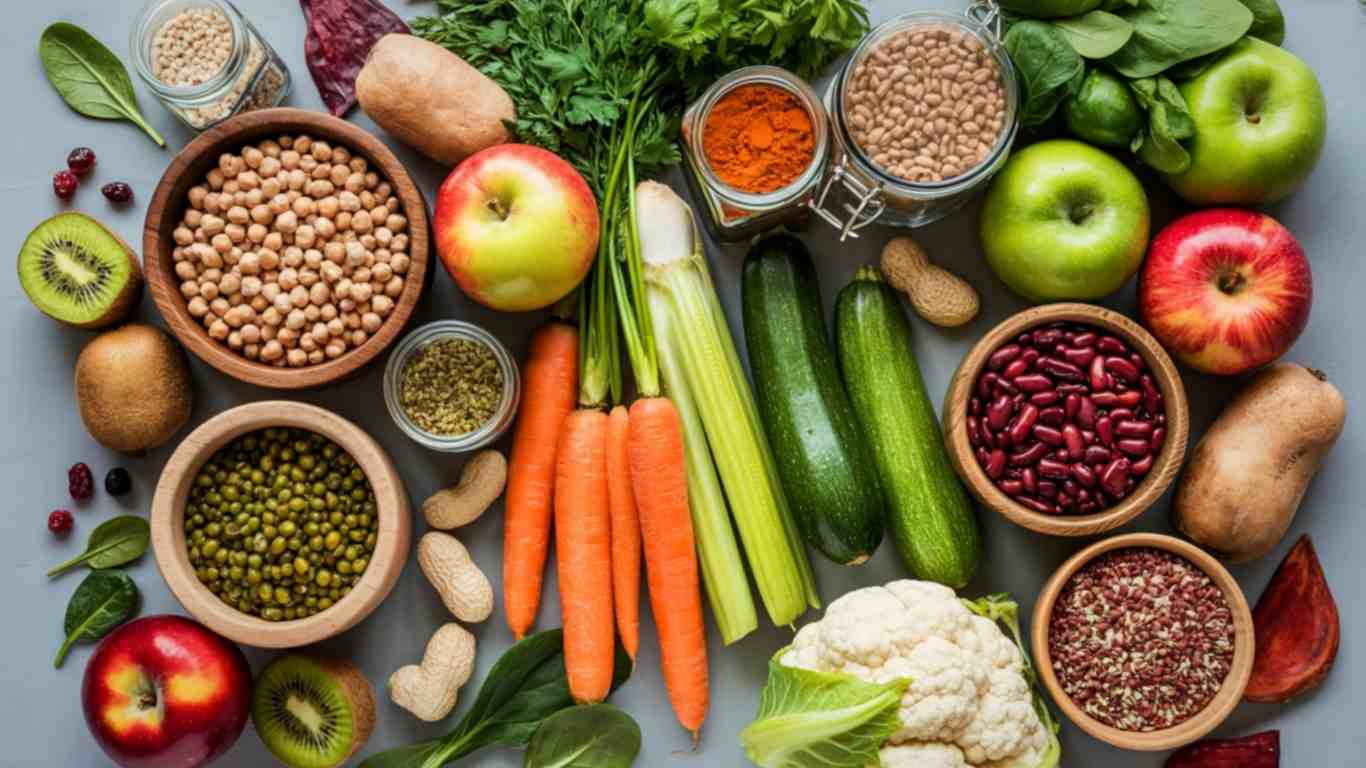
Linda suggests aiming for thirty different plants across the week. Here is a practical example of how you might reach that number.
Vegetables
- Spinach
- Carrots
- Peppers
- Broccoli
- Red onion
- Garlic
- Sweet potato
Fruits
- Blueberries
- Raspberries
- Bananas
- Apples
- Lemons
Nuts and seeds
- Walnuts
- Almonds
- Chia seeds
- Flaxseeds
- Pumpkin seeds
- Cashews
Grains and legumes
- Oats
- Quinoa
- Chickpeas
- Lentils
- Kidney beans
Herbs and spices
- Turmeric
- Cinnamon
- Fresh parsley
- Ginger
- Black pepper
- Rosemary
- Basil
Frequently Asked Questions
Why do I start second-guessing my business decisions in the afternoon?
Energy dips caused by long gaps between meals or high-sugar snacks can reduce focus and make decision-making feel harder.
Does dehydration affect brain fog?
Yes. Even mild dehydration can reduce concentration and increase fatigue.
What is a good breakfast for busy entrepreneurs?
A balanced meal containing protein, fibre, healthy fats, and complex carbohydrates helps stabilise energy throughout the morning.
Are protein bars healthy?
Some are useful occasionally, but many contain high levels of sugar. Always check the label.
Why does gut health affect mood?
The gut microbiome communicates with the brain through chemical signals that influence mood and cognitive function.
What fish are best for brain health?
Oily fish such as salmon, mackerel, anchovies, sardines, and herring provide omega-3 fatty acids that support brain health.
Related Articles
3 Ways To Reduce Founder Decision Fatigue Today
5 Tips to Unlock Entrepreneurial Success with Keith Barry's Brain Hacks
5 Happiness Hacks That Actually Make You More Money
Tools & Resources Mentioned
Beoga Nutrition
Linda Murray’s nutritional therapy practice offers consultations, testing, and nutrition programmes.
www.beoganutrition.ie
Nutrients and Foods to Support Brain Health
Linda’s free guide on foods rich in omega-3 and choline.
https://beoganutrition.ie/nutrients-foods-to-support-brain-health-and-cognition/
Connect with the Host — Deirdre Martin
🌐 deirdremartin.ie
📱 LinkedIn
🧠 Work With Deirdre: Book a call → https://calendly.com/deirdremartincx/first-business-soiree-instagram
Episode Transcript
[00:00:00] Your brain is part of your business
[00:00:00]
[00:00:00] Deirdre Martin: If your brain feels like it has 17 browser tabs open right now, and one of them is blasting music, but you can't figure out which one it is, you'll be glad to hear that it's not because you are bad at focus. You're not broken. There's nothing wrong with you. But it might be because you are running on coffee, chaos and whatever snack is closest to hand, all totally normal when you're an entrepreneur.
And if you're at all like me, right? All totally normal. But from a business perspective, when your energy crashes, what can happen is your standards drop. You can make sloppy decisions or start saying yes to crap that you shouldn't or that you wouldn't usually. You may avoid doing the big scary task, which coincidentally maybe the very thing that actually moves the needle in your business.
You might start convincing yourself that you'll start it all out tomorrow. Again, none of that is a mindset problem. What it [00:01:00] actually is, it's a fuel source problem. Welcome back to the Master Your Business podcast. I'm Deirdre Martin, award-winning business coach and bestselling author and I help entrepreneurs scale without burning themselves into the ground.
And today's conversation is honestly a bit fricking wild because we're talking about the things most entrepreneurs treat as an afterthought until it literally starts wrecking their performance. Food, energy, brain power, and nourishing themselves.
[00:01:27] Introducing Linda Murray... the pragmatic nutritionist
[00:01:27] Deirdre Martin: My guest today is the amazing Linda Murray. Registered nutritional therapist and co-founder of Beoga Nutrition, Linda's got over a decade in clinic experience helping busy humans feel better, not by being perfect or chasing perfection or following any fads, but by fixing what's actually driving symptoms like energy dips or.
Blood sugar swings, mood swings, brain fog, digestive drama, hormonal chaos, the whole kitten caboodle. And I [00:02:00] love how she talks and shares this topic because she's not like you've gotta eat like a robot. Linda is very pragmatic. She's a mom, so she knows what it's like in real life balancing kids running a business.
Meeting deadlines, having client meetings and constantly running out the door, but trying to do all of that and still wanting your brain to work and operate at a hundred percent. So by the end of this episode, you're gonna know exactly how to build a simple, balanced plate that supports your energy and your decision making, and you can steal Linda's best strategies for staying fed when your calendar's on fire, including.
Why Fiber is about to become your new best friend. You heard it here first, folks. All right, let's get into it, because I know someone listening right now is thinking, Deirdre, I'm doing everything. Why am I still wrecked? Well, you're not alone and you're gonna love this.
Linda, welcome to the Master Your Business podcast.
[00:02:59] Linda Murray: Thanks for having me. [00:03:00] Deirdre Delight to be here.
[00:03:01] Deirdre Martin: Well, it's great. I, you know, we were chatting at a recent networking event. We happened to be sitting beside each other and I was thinking, oh, it'll be great to get you on the show and talk about nutrition and how that impacts people in business.
[00:03:15] Linda Murray: Yeah.
[00:03:16] Deirdre Martin: And
[00:03:17] Linda Murray: I love nutrition. I could talk all day about it, so it's very easy.
[00:03:21] Deirdre Martin: I know I could, I love business and I could talk all day about that. Yeah. So between the two of us now, we'll have great conversations.
[00:03:26] Coffee, chaos, and the founder snack trap
[00:03:26] Deirdre Martin: So. In terms of nutrition, I have just finished eating one of my naked bars before we started recording, and I'm like, that's my breakfast, Linda.
Don't judge me.
[00:03:38] Linda Murray: And what should I say Deirdre? I'm the least judgmental person of the whole world because do you know what I, there the nutrition is it's so topical, it's so controversial, but actually it's not that complicated. But I think the biggest challenge people have is people are so busy. It's trying to make time for food.
Whatever your food currently looks like, [00:04:00] chances are it's lack of time or lack of prep is where you're getting caught. And our food environment and we are just so busy and whether you're a business person or a child going to school, we're all been affected by the same problems, you know, or versions of the same problem.
So it's any nutrition conversation, and I say this all the time, isn't to make people feel guilty or feel bad, it's to try and find the one nugget. Of something you can add to your diet that can help you feel better in whatever you're doing at the moment. And I think that's really important. There should be never, you shouldn't be feeling chastised by having a bar.
There's I guarantee if you look at my bag, there's a bar in case of an emergency, but, it's trying to have them as an emergency as opposed to the daily staple. I suppose that's the biggest challenge that we all we're all facing, you know,
[00:04:46] Deirdre Martin: 100%. I'm literally outta porridge right now, so I'm like, I'm defaulting to the bars until I get to the supermarket.
'cause my husband did the shopping at the weekend and he didn't buy the porridge 'cause he doesn't eat it, right?
[00:04:57] Linda Murray: Yeah, yeah. It's it, you know what, it's funny actually, [00:05:00] I was talking about Paris this morning for with a client because.
[00:05:03] The truth about porridge and breakfast staples
[00:05:03] Linda Murray: You know, we grew up in Ireland. We all assume porridge is the best food of the whole world.
It doesn't suit a lot of people, so if it doesn't suit you, don't worry about it. There are other foods, porridge is not, and other people have that memory of that gruel kind of bowl of porridge. But I have to say I do love it, but it doesn't suit everybody. So there are other options. It's okay, it doesn't have to be a miserable bowl of porridge for breakfast if you don't have it, but, it's just to find something that you enjoy and that you can enjoy and you're not feeling deprived when you're having it, you know? And it doesn't take too much time.
[00:05:32] Deirdre Martin: Seriously, my porridge is so good. Everybody's gonna be so hungry after listening to this episode, right? But I have two porridge staples that I make.
So one is it's, and I make it with oat milk, so it's like porridge with oat milk and frozen raspberries in the microwave. And then when it comes out, I'll like put some high protein granola on top of it. And that's one version. And then another version is porridge with banana and cinnamon, and a little bit of granola on top of it as well.
[00:05:58] Linda Murray: Excellent. Excellent. Yeah, [00:06:00] very, very. You could tell me,
[00:06:00] Deirdre Martin: that's really bad for me if
[00:06:02] Linda Murray: you want. No, they're good. My general rule of comfort for every plate, breakfast, lunch, and dinner, is we're aiming for a balanced plate, and the balanced plate will have some carbs. And I mean, I know I don't want to get into food education here now, but having carbohydrates which your porridge is with some color, which is what your fruit is with some protein.
And if you can have carbs, some color, fruit fed or salad, obviously not salad on your breakfast, but fruit fed or salad. With your protein and some, a source of good fats, you've got a perfect plate and you can't go too far along. And then you mix it up within that. So the only place you can get caught is some shop bought granolas.
[00:06:42] Avoiding the "high protein" marketing trap
[00:06:42] Linda Murray: I do have a bee in my bonnet with stuff labeled type protein at the moment. I actually did a really interesting exercise here last week with a client of mine who. Train's hard, but his blood sugar is currently high. He's almost pre-diabetic and he's trying to lose weight. But we're watching he doesn't like cooking, [00:07:00] you know, he is just not as buzz.
And we were looking at some of the foods he was consuming and they all had high protein on the front, but actually the sugar content was extremely high. And he was driving his blood sugar way up way higher than it should have been, and he was doing his best to choose based on the front of the food label.
So when you're buying packaging that have a food claim on it, or a health halos, I like to call them, you always have to spin it around and look at the back and like that becomes boring fast. So it makes it tricky to try and, you know, study labels like that. So just be careful when you're buying high protein products.
That, you know, they may have the protein, but they possibly have a whole load of other stuff that you don't really need. So if you like granola, occasionally throw some nuts and seeds in with some moats and make your own granola, or even add nuts and seeds to a bag of shop buck granola. And try and pimp it up that way.
Because often, even if they say high protein, it's just lots of oats. Do you know? So you're paying a lot more money for your [00:08:00] bag of porridge than you are just for. So that would be my only tip on, on the high protein granola, just. Watch them because they could be inexpensive and not too much better than a bag of porridge, you know?
[00:08:10] Deirdre Martin: Oh, you're so timely with this right now, Linda, because I did see, I actually read an article about this recently enough as well, and it literally said the same thing. It said that, you know, watch for the sugar content and the fiber content as well because, and I. Fiber is going to be coming, like where everybody seems to have been talking about protein over the last while.
I think fiber is going to be the next hot topic. But yeah, we've come back and talk about that in a minute because what I really want to talk about is actually the impact of nutrition on our mental capacity and how, you know so many people are listening and you're working fucking hard in your business.
Oh, I said I try not to swear today. You're working hard in your business. We can wipe out that bit. You're working hard in your business and you know you're trying to sleep well, and you're trying to [00:09:00] exercise and you know you're doing all the things and showing up. Yeah. But you know, you might still have brain fog or you might have other things going on, and nutrition really comes into Yeah.
To play with that. Can you talk on that for a bit?
[00:09:13] Linda Murray: Yeah, I can. And there's so much, like, there's so much that you can do. So I never want people to feel, oh my God, I'm not doing it all. You know, I said it before and I'll say it again, probably 10 more times. But if there's something I mentioned now that you can add in, don't be feeling guilty if you're not doing everything, but there's so much you can do, whether it's from a mood perspective or a kind of cognition, and you know that brain fog type of piece.
Remember, when you're nourishing your body, it's not just muscles and bones and blood. You're also nourishing your mind, and you need to nourish your microbiome, which we'll talk about in a second. But your microbiome has a direct impact on your head, is the only reason I'm mentioning it now. So from a nourishment perspective, your brain needs energy.
So anytime if you're feeling tired, your brain may also be feeling tired. So there are all the nutrients that your [00:10:00] body needs for energy. So whether it's B vitamins, whether it's magnesium CO 10, and we can go through foods and there's loads of supplements on the market and I would say supplements are amazing, right?
But supplements are, should be in addition to your diet, you can't really out supplement. A poor diet. Well, if people don't get the same results, if they're, if the foundation of their food is not good, but you need to put in the brain supporting nutrients and there's a list of them and I, you know, I can actually send on some stuff to you afterwards that we can put up as specifics.
But definitely anything from an energy perspective will also be energy for your brain.
[00:10:36] Why your brain needs Choline and Omega-3s
[00:10:36] Linda Murray: There is a specific nutrient actually in eggs, in the egg yolk, you know, and you see people cutting out egg yolks, but it's called choline. And choline is really. Nourishing for your brain and for cognition and for memory and for brain clarity.
And you get it in the oak of eggs. So you'll see it in, in a lot of supplements as well. But really important if there's a woman currently pregnant. They need plenty of choline, even for [00:11:00] the baby's brain. You know, it's really important micronutrient and a great easy one to add in. But VB vitamins are important.
Cookie 10 is very important. Zinc is important. Magnesium is really important. Vitamin D is important. There's vitamin D receptors on every single cell in your body. I hate listening off nutrients like this because they just sound like a blurb. What I would say is, when you're eating well for your body, your brain should be getting the benefit as well, and then you go in with the specific.
Deficiencies after that, if there's something that you're specifically missing. So if, for example, somebody is experiencing brain fog as a symptom, the question is number one, are they dehydrated? So hydration is important for every cell in your body, your brain being part of it. Remember, 60% of your brain is water.
So if it, if you're dehydrated, your energy is going to be impacted everywhere. It could be a muscle cramp or it could be. It's not a brain cramp when it can be, you know, kind of, you can feel like that [00:12:00] foggy brain because of it. Number two, you need to make sure from a, a GP perspective, a hormone perspective, that your bloods are clear.
So, great student. You need to make sure that your, you've got a, you've been to the GP and got your bloodstone recently. I think that's really important for people to just. You know, get your annual checkup and make sure your bloods are clear, that your thyroid is normal, that females are getting the clean bill of health when it comes to hormonal balance and that kind of stuff as well.
Right. That's important from a brain health and cognition. And then it's back to things like choline, things like omega threes are really important, so your brain as well as water, there's a huge amount of fat there. So if people have been following a low fat diet for a long time. With, I'd see it in clinic where people will be presenting very fat fisht, and I know that's counterintuitive when you look at the diet, but I'm talking about good fatty acids.
[00:12:53] The SMASH acronym for brain fuel
[00:12:53] Linda Murray: So I'm talking about, when you're talking about good fats, we're talking about essential fatty acids like Omega-3, six, and nine. And [00:13:00] essential means that your body can't make them. Our bodies are really good at cobbling together bits and pieces that we need, right? But if it's an essential nutrient and some of the proteins are essential as well.
But we can't, our body can't cobble these together, so we either need to eat them or we need to take them as supplements. The best dietary source of Omega-3 is oily fish. There's only five of them. Think of the acronym. Smash, salmon, mackerel, anchovies, sardines, and herring. And we should be taking probably three portions of those a week.
Now I won't eat enough of those fish, right? So I do take an Omega-3 supplements, and I would say to people, even if you're eating fish and you're presenting, you know, if you've got joint pain or if you've got foggy brain, or if you've got females hormonal imbalances or dry skin, it's worth adding in Omega-3 supplements.
It is one supplement that I do think people. Can benefit from and add it in for a month and see how you feel after a month, after a month. If you're not feeling any better, you know, then maybe it's [00:14:00] not the problem. You shouldn't need to take something forever, but it would be worth adding it in and see if you feel a bit of a difference.
But sometimes it's back to basics. Some of the, from a brain health, from a concentration, cognition, sometimes it's eating regular meals, eating a balanced plate, as I mentioned. Getting good sleep, getting your hydration right, getting your stress management, getting all those things in place, and just doing those foundational pieces, right?
And if you get them right, then it's easy to kind of pick out the one or two nutrients you can add in. On top of that if you need them. That makes sense.
[00:14:35] Deirdre Martin: Yeah, totally. And like it's really clear how you've broken it down. And I'll never forget SMASH acronym now after that. Thanks for sharing that one.
[00:14:43] How "Hangry" is actually killing your profit
[00:14:43] Deirdre Martin: The other thing that I think crops up a lot too is that when people are so busy, like, and we know they are, you are an entrepreneur, I'm an entrepreneur, sometimes I don't stop for lunch and I eat breakfast late. But I think, you know, some of the things that I see happening then is if I [00:15:00] go too long in the day, I find I'm not able to make decisions as quickly, and I literally have a sign in my kitchen that says like, hangry is actually a thing.
And I'd love for you just to talk on what can busy entrepreneurs do to help with avoiding those types of situations? Like, help me here, Linda.
[00:15:19] Linda Murray: Yeah, yeah. No, and I it's a common problem, Deirdre. I mean, I say to an awful lot of people, a lot of my clients already have a really good diet.
It's just these kind of strategies or structures is where they're getting caught. So when I say the really good diet, it's an inconsistent diet. So I think the first thing is, and I know this is really boring and I hate saying it out loud, but it really is a game changer, is to try and make a bit of a plan.
So if you currently are not eating until lunchtime and you know you're getting that blood sugar dip in the afternoon. It's to make a plan for what can you do earlier in the day. Now, if you want, it can be something like [00:16:00] a smoothie, pre-made the night before in the fridge ready to go. That can be something.
It can be something small like a couple of rice cakes with peanut butter and a banana on top. So you've got your fat your carbs, and your color. No protein in it. It can be adding collagen into your coffee, so you're getting the data of protein in that, so it's adding some small steps. Into a routine and trying to make one change at a time.
Like if you try and change it all this week, you'll be great for a couple of days. Something that'll go wrong and it'll go belly up, and then you're like, then you're disgusted with yourself and it's like, oh, it didn't work. But it, you know, as you said, we already have busy routines, so it's to try and add in something like that.
One of the challenges you have is our bodies. Need that stability and that routine, right? So if we don't eat all day, which it happens with a huge amount of women, you get to nighttime and then you start eating and then you catch up on yourself. So our digestive [00:17:00] systems are strongest in the morning, whether we like it or not.
And I know a lot of people really like not having at breakfast and doing a long, fast, but actually biochemically or chemically, or. Biologically, whatever way it is, per circadian rhythm. Our digestive system is strongest in the morning. So that breakfast, like a king of lunch, like a queen dinner, like a poper, that's actually linked to our circadian rhythm, right?
So if you don't have breakfast, you have a small lunch, or you skip lunch, you get to evening time and you're having your full days food because you're trying to catch up on yourself, your digestive system is going to be more sluggish, so you're not going to absorb your nutrients as efficiently. Of course, it'll do its job, but it'll also.
Impact the quality of your sleep. You may not sleep as well, and I'd get a lot of people who get a lot of reflux and that, you know, GI pain and they're taking gavascon and stuff, going to bed at night and just that simple act of not eating at nighttime and eating, kind of finish your dinner at, you know, maybe seven, eight o'clock, then going to bed.
After giving yourself that [00:18:00] break before you go to bed, that can make a huge difference. And you see, if you're also eating late, then you're not hungry in the morning. So it's kind of a catch 22. And it's an, it's a, you know, it's our society. Everybody's doing the same thing, Deirdre. It's not it is not a unique situation, but it becomes.
We're just too busy during the day, and we do all our eating in the evening, and what tends to happen then earlier in the day is you're grabbing coffee or you're grabbing a biscuit, you don't have an appetite for a breakfast. Then you've grazed on something and then you don't have an appetite for your lunch.
Then you're grazing on something and by the time you get to dinnertime, you've had no nourishment and you can't have the energy, you can't have the good fats. So when we're grazing on, I've no problem with people having biscuits or treats, but probably there's no. Good facts in it. There's probably no protein.
There's probably no fibrin, there's probably no micronutrients in it. So all those f you know, there's no choline, for example, in a biscuit. So choline, when I was talking about, which is really good from an egg yolk, [00:19:00] if you've two scrambled eggs on a slice of toast you've nourished your brain before you get going.
If you're not having breakfast and you're having a cup of tea and a biscuit or a s scone, scones are my arch nemesis because so many women in particular skip breakfast, have a scone, and they're full for the day. But there's very little nourishment in them. And then, you know, you get to evening time, but you're not nourishing your brain, so you can't have the energy.
It's also because you're not eating probably enough food that your energy levels are cr, you know, they're spiking up and then they're crashing down and all of that. I mean, when I'm talking about blood sugar imbalance. It impacts your energy, it impacts your mood, it impacts your weight management.
So if somebody's trying to lose weight and their energy's bouncing during the day, the hormones in their body are connected to that, and it's going to affect your, how you're feeling and then how your body is putting away calories during the day or energy during the day. And that's where you get a little addition to your padded areas versus having the energy that your body needs to stay going.
Do you know what I mean? So it is important to [00:20:00] kind of, but how do you do it?
[00:20:02] Why low energy leads to sloppy decisions
[00:20:02] Linda Murray: You have to start with a plan. Just start with make a list of five or 10 or 15 or 20 different breakfasts that you like for different situations, whether it's a working from home day, whether it's a traveling day, whether it's a going to school day, you have a list of stuff so that you're not getting up in the morning going, oh, what will I do?
You've kind of got a plan there the night before.
[00:20:21] Deirdre Martin: I think that's so smart because I think what tends to happen as well is, and I've recorded an episode about this, is that our brains are so fatigued with all of the decisions that we have to make as an entrepreneur, that sometimes we just go for that naked bar rather than think through.
What will I have for breakfast this morning? Right.
[00:20:41] Linda Murray: Well, there, there are enough decisions to make in the morning.
[00:20:45] Deirdre Martin: Yeah, exactly.
[00:20:46] Linda Murray: Than trying to make that decision then. I mean, yeah. I will have toast when I'm running out the door. If I've nothing thought about today. I was really organized and I had baked doughs, but if I hadn't got that prepared and kind of in the fridge ready to go into the oven [00:21:00] this morning and it's two minutes, you know, it's not an effort to do it.
I just had to get my brain to engage to actually. Have that in the fridge so that when I got up this morning I can get the kids stuff ready.
[00:21:11] Deirdre Martin: Mm-hmm.
[00:21:11] Linda Murray: I just. If I'm not thinking about myself, and we are always the last on our lists, unfortunately, you know?
[00:21:16] Deirdre Martin: Totally. And what I used to do, and this definitely helps is that like usually I am the one who does the grocery shopping in the house, right.
And what I usually will do is I will put out a shopping list on Alexa so everybody in the house has access to Alexa. But I will go through like recipes online to decide what am I gonna cook. All week. And then the ingredients that are needed go on Alexa. But then I save those recipes. So if I'm not the person who's cooking the dinner that somebody else goes, oh, there's chicken in the fridge.
What's this for? And they just check what is the recipe for the week so they know what the dinner is. Great. And that just makes it so handy because A, it helps with the shopping and we know what we're, and nothing gets [00:22:00] wasted. Yeah. And B, it's like. I don't always have to cook because somebody else knows what to use.
Right. Yeah. So it's super helpful. Yeah. But the third thing is then it takes away from that decision making process around what will we actually have for food. Yeah. Now I do have to sit down and plan that, and I'm not always good at doing it, but when I do do it, it definitely helps. And it saves financially as well.
And I think that works. So that's a habit I need to get back into.
[00:22:26] Linda Murray: The only thing I'll say here is people kind of think, I must have the perfect plan and I must have a different plan next week. And I like, you don't make your plan for this week and every single time you put effort into, whether it's cooking or chopping or.
I, that's the cleaning up always gets me. But I think vegetables are always the biggest problem. So if I'm peeling carrots, I peel half the bag or nearly all the bag of carrots, and then they'll get used because the kids will grab them for a snack or I'll chop them into something. Whereas if I was go into the fridge and start chopping up carrots or peeling carrots or chopping up cabbage, it's not happening.
So having [00:23:00] prepped that stuff in advance, or even having some potatoes prepped and in the fridge ready too. Like, I tend to not peel my potatoes, even if I'm making chips, it takes two minutes to chop them up. But if you do want to peel them and they're peeled in the fridge, it'll be much, it's as quick to chop them as it is to go to the freezer and get frozen chips to throw in.
Do you know? And then, or you can bake them or roast them or put them, you know, cook 'em and mash them. But when you have them semi prepped, it's not everything cooked to the weekend. But if they're semi prepped, it makes. Making dinner a much more of an assembly job than a starting from scratch with all the effort that goes into it.
Because, you know, we have plenty going on. We don't need to be spending half an hour or an hour every night trying to get dinner on the table either for people, you know? Yeah. But, you know, reuse your plan. Was the point to that story. Sorry.
[00:23:49] Deirdre Martin: Yeah, I have safe recipe favorites 'cause as well, it's like, you know, it's what is every, what's everybody going to eat?
And it's trying to find those things that everybody will eat. And so, you know, people are getting [00:24:00] the nourishment that they need and there's no food going in the bin. It's wasted. 'cause that's frustrating as well when you go to the effort of cooking. And then I don't like the
[00:24:07] Linda Murray: cost. The one third of, I was looking at statistics the other day and they were saying the third highest.
Expense is food waste.
[00:24:17] Deirdre Martin: Mm-hmm.
[00:24:18] Linda Murray: Even from an environmental perspective, you know, buying food and throwing out bits and pieces adds up to so much over the course of a week. So if you're trying to save money, try and plan a little bit smartly, you know?
[00:24:32] Deirdre Martin: That makes so much sense. Okay. I wanna go back on the conversation to where we were talking a bit about the protein and the fiber stuff.
So let's start with protein because like there's definitely trends out there right now. Like we're seeing, like in the supermarket, there's aisles with protein, like even Aldi and here in Ireland have it and we've listeners in the US and stuff too. But you guys don't have Aldi over there as far as I know, but we have.
Aisles. It's like, I don't wanna call it like a [00:25:00] bargain supermarket, but it's a German supermarket. So just think it's highly efficient. Right. That's what it is. Mm-hmm. And we have a couple of chains like that and they have these now protein sections as well because it just seems to be a trend.
Mm-hmm. But you know, it's interesting 'cause I had this conversation with my sister recently. She's trying to increase her protein intake, but. And in doing that, she's like putting more protein on her plate for every meal, but actually she's piling on the weight instead of losing weight like she thought she was going to.
And I'm curious like about that and you talked about the sugar, which is great 'cause I was gonna ask you about that. So I'm curious about the protein and does that impact weight? And then how much protein should you actually be taking?
[00:25:47] Linda Murray: You
[00:25:47] Deirdre Martin: know, if you're not like, yeah,
[00:25:48] Linda Murray: so protein
[00:25:49] Deirdre Martin: is, physical
[00:25:50] Linda Murray: is really important because we need it for growth and repair.
Now I'm gone beyond the growing phase. I'm at the repair phase, right? But you need it in every cell in your body and your immune system [00:26:00] needs it. And we need it as we age it. And your question about how much do we need? Is a really good question. Let me come back to that. The other thing with protein is protein keeps you fuller for longer.
So one of the huge benefits I would find is if somebody's constantly hungry or if you've got kids who are constantly hungry, if they're having a meal, that's all carbohydrate. And you know, if, for example, if somebody, if a kid is having toast with jam for breakfast, it's carbohydrate with carbohydrate. If they change that to a toast with an egg, they should stay fuller for longer.
By having that as well as getting the variety of nutrients in it. So protein is great. It's really important for growth repair and satiety, or keeping you fuller for longer. Really important. However, how much do we need depends on your age, your sex, and what your goals are. So as a teenage.
Athletes trying to, you know, build muscle, trying to get bigger, trying to get stronger. They [00:27:00] need, may need to have more protein than woman in their twenties who is happy with the weight she's at now. The amount of exercise and everything you're doing is going to have an impact with the range in Ireland always was anywhere from, and I don't want to start getting into these numbers, but they were 0.8 grams of protein per kilogram of body weight, of your ideal body weight.
And they've now gone up to anywhere up to two grams per kilogram of body weight. So for a woman who's somewhere around 70 kilos, that can be somewhere around a hundred grams of protein a day. Now let me put that into context. If you're having meat or fish like a large chicken fillet or a fill it of salmon may have somewhere around 50 grams of protein.
So if you're having meat or fish with your meal, chances are you're getting enough protein. If you're vegetarian and you're not having meat. Plant proteins there, there's loads of protein in non meat sources. It's absolutely possible to do, but there's not as much per gram. [00:28:00] You need to eat a lot more of it.
So it can be a little bit trickier that way, and that's where people start, you know, especially if you're aiming for the higher numbers, it can be difficult. And breakfast is the meal where people tend to. Not typically we, you know, Mr. Kellogg's has told us that a bowl of cereal or we have a slice of toast.
We tend to not always necessarily grab we'd, you know, we'd start with our carbs and we'd add from there. So you we're talking about pies this morning, or we're talking about toast, you're talking about cereal versus when you're dinner you're talking about I'll have chicken or I'll have fish or I'll have beans.
You know, we tend to start with the protein at meal at dinner time, but for breakfast we do tend to start with the carb. So breakfast can be trickier and technically the time of the day doesn't matter when it comes to our total protein goals because our body utilizes the protein when we sleep at night.
Now I can stand corrected on that in for women. It does seem to be a bit more important when it comes to if we're building or maintaining muscle or exercising, but we could spend, you could get very bogged down in details there if you [00:29:00] want, but let's pretend that the time of the day doesn't really matter.
If you got enough. But it's very hard to eat enough in one meal. So somebody's not having breakfast and they're having crackers for their lunch. It's very hard to eat a hundred grams of protein in the evening. So that's why, to try and add it over the day is important. And the other thing about spreading it over the meals is that's a piece or that hunger piece during the day.
So you don't want to be feeling hungry all day. And then if you're hungry, you're sugar craving, go through the roof. So the amount of protein we need depends, really I kind of tend to start with a hundred grams per people. Things like eggs will have about six grams of protein. So if you're into protein and you're into figuring it out, it is worth monitoring for maybe a week.
And see what your typical meals have in terms of protein. Like the likes of My Fitness Pal will give you loads of information on stuff like that. I don't like monitoring food. I think it's a head melt to be honest. But it is interesting for a lot of people, when they [00:30:00] do, even for a week, they will see gaps in their diet.
Often. We're just trying to get back to basics. So I do think it's worth kind of understanding what's in it now. What people fail to remember is like. Milk will have protein in it. So if you're putting milk in your coffee, somebody's having a latte, they could be having nine grams of protein in their coffee, dairy-free.
Milks don't have as much protein, so any vegetarians or vegans do really need to watch. They can be lacking quite quickly. What else about protein? Yeah, even things like bread, like a bagel. Gluten is the protein in those cereals. So. It's not strictly carbs versus proteins. You know, you will get proteins in some of your carb foods.
So have a look at what you're eating and if you're not, kind of, if your goal is to increase muscle or maintain muscle while you're exercising and you're not currently doing that, it's definitely worth looking at your protein intake currently to see where you're at and see if you need to make adjustments.
[00:30:58] Deirdre Martin: That
[00:30:58] Linda Murray: makes total sense. [00:31:00] Having kind of a gram per kilogram of your body weight is a fairly good indication. So anywhere between. 18, a hundred grams for most women is a decent dish number roughly. That's kind of what you're looking at. Yeah,
[00:31:12] Deirdre Martin: I think where she was going wrong with this and like we've had good conversations around it and I was like I think it like, and she did actually go and see maybe a dietician or a nutritionist, I'm not sure which, but she did actually go and see somebody about it.
And what they told her was it was however many grams per kilogram, but they didn't say for her ideal weight. And so I was like, but that doesn't make sense if your weight is going up to eat more protein for, you know, the more weight. And I was like, that doesn't make sense. It should be, I'm guessing the other way around you, less protein
[00:31:44] Linda Murray: comes down.
The other thing with protein is protein should help you feel fuller for longer, but. Now, I don't know your sister and I don't want to make assumptions, but sometimes if we don't kind of recognize when we're full, we can tend to overeat regardless. And I'm not into calories. I don't think calories in versus [00:32:00] calories out is a conversation to be had.
I agree for most women. Yeah. And often when it comes to weight gain, a lot of women, we have to look at hormones and not just calories in versus calories out. Even if it's protein, we can be just eating too much, like. If she's eating enough protein but not enough fruit and vegetables, maybe she's not getting enough fiber, and maybe that's the area that you could look at, you know?
[00:32:23] Deirdre Martin: And something else, Linda, with this that came up and it's interesting because we both have these smart scales, and the smart scale supposedly measures your protein levels. And I'm like I've been monitoring my own protein levels in terms of, oh yeah. So for breakfast, I'm conscious that, you know, oh I need to add the granola.
So there's nuts and stuff in it, and it is the high protein version. And then I'm like at lunchtime increasing the protein as well and making sure that there's. There's plenty and I'm monitoring it over a period, intentionally increase in protein and not seeing the scales thing move. So either A, the scales is [00:33:00] broken or there's something digestively going on that's prompting me not to.
Increase it. What might be going
[00:33:08] Linda Murray: on
[00:33:08] Deirdre Martin: there? So
[00:33:08] Linda Murray: if you're increasing my skills is a body composition, so I would always, especially when somebody's trying to lose weight or like anybody on these weight loss medications, have a course currently running to educate people on weight loss medications, on muscle mass and maintaining muscle mass.
You need to be working your muscle. To maintain muscle mass regardless of consuming protein. So the protein doesn't make your muscles stronger. You need to work the muscle for your body to utilize the protein you've consumed, and that's how your muscle mass gets maintained, not just so yes, you need to eat it, but yet you also need to work it.
And a lot of women walking is great. It's my favorite exercise and I tell everybody to do, but actually if you don't use it, you lose it When it comes to muscle mass, especially for women, you know, trying to maintain muscle. We need to be, you know, probably doing some kind of strength and conditioning training, even Pilates, while it's [00:34:00] amazing, sometimes we just need to progress a little bit further.
And that's what I'd be suggesting that she does as have a look at that to see why is that not increasing. Now, I don't know whether you're doing strength and condition training at the moment, but some, I work with a lot of women who are very fit. But it's just not progressing. And if it's not progressing, you know, you're not increasing the and it's hard to maintain it all like, so it's just, it might explain it a little bit rather than kind of.
[00:34:28] Deirdre Martin: Yeah. Have you not seen me doing my weights and social media?
[00:34:33] Linda Murray: I'm trying to stay off social media. Is that desperate? I'm trying to post it and get it off it myself. It's desperate. I'm terrible. No. Great. So I apologize, I haven't seen all your weights on social media, but
[00:34:41] Deirdre Martin: I'm joking. I'm joking. It's
[00:34:43] Linda Murray: hard.
It's hard to do it all.
[00:34:44] Deirdre Martin: It's hard to do it all. Yeah. It is hard to do it all. And it like, you know, sleeping right and eating right and exercising right. Yeah. And then having mindfulness time and all of the things like and it has to be both explode. Yeah. And like it's time consuming too. Yeah. But [00:35:00] I think if you don't invest.
In you. It's like, you know, and this is how I see it. It's like you, how you feel in the next 72 hours, like 72 hours from right now. How I nourish my body with sleeping, eating, exercising, and mindfulness in 72 hours. I'm gonna reap the rewards and benefits of that. It's not just like right here, right now from feeling crappy today.
It's
[00:35:24] Linda Murray: no, it's never instant. It's never instant. And it's. It's hard for people to make that association. And I mean, I suppose the good thing is, you know, when we're talking about it's never instant, one bad meal is never going to be a problem either, or a treat or, cross on whatever people are thinking is a bad food.
That's never the problem. But if you're continuously not nourishing yourself, I mean, you've got horse, you've got animals, you'd never not fuel your animals effectively and efficiently. A farmer will never. Abandon his animals and not feed them properly. Because even if they're a dairy farmer their cows can't give them their [00:36:00] yield.
If they're not nourished, they can't do that. But we expect ourselves to run on empty. You know, our body can't make energy if you don't put the nourishment in there. And our bo to make energy a TP, that molecule of energy, you need B vitamins, you need magnesium, you need cookie 10. You need all of those, and you need them every day.
So it's been really good for one day and not really good the next day. Is not good enough. You know, and it's like that having one bad meal is never a problem either. It's the big picture, but you have to put in the nourishment for your body to have the energy longer term. I
[00:36:35] Deirdre Martin: love this conversation and for so many reasons.
But that makes so much sense. And Linda, before we finish up, or I wanna just ask you about the fiber piece. 'cause I think yeah, protein is what we're seeing all the shelves right now, but I think we're heading into a fiber trend next. What are your thoughts on the fiber piece?
[00:36:52] Linda Murray: Fiber is actually, it's everything.
So I mentioned the microbiome earlier and the microbiome is like 10 years ago we didn't know these [00:37:00] allowed existed, right? But there's a huge amount of research after happening in the A PC Microbiome Institute in Cork in UCC in Cork in the last number of years. And the microbiome is a collection of microbes, or I normally just refer to 'em as bacteria in your large intestine.
And we don't know what a perfect GI microbiome looks like. But we know we want it diverse and we want it abundant. We want lots of variety and we want lots of the good lads. And sometimes there might be a bad lad in there and people might like, you know, we might need to deal with that. But actually often the levels of good lads are low when that happens, or if we get an imbalance, we call it dysbiosis.
Dysbiosis can contribute to digestive issues. That can be constipation or diarrhea. Bloating. It can cause skin issues. It can cause low mood. Your gut and brain are directly connected, and we know that the bacteria in your large intestine have a direct impact on people's moods, direct impact. The, you know, it's not even a around the houses, it's [00:38:00] directly having an impact.
We know it's impacted. It has a link to weight gain.
[00:38:04] The 30-plant rule for microbiome health
[00:38:04] Linda Murray: Everything, every system in your body is going to be impacted to your microbiome. Where fiber comes into it, it's fiber is fueled for your microbiome. We feed people talk about probiotics, and I love probiotics. I had a post up the other day on them.
We don't need to be taking them all the time. They're very specific. There's a specific strain that will do a specific job and if you're taking the wrong strain, it won't do you any harm, but it certainly won't do you any. It won't be doing what you're expecting it to do, even if it's a really good one.
If there's not evidence, suggest that it's gonna do what you want it to do, it's not gonna work. But probiotics. Temporary solution. They'll help to make the environment hospitable for good bacteria. But for us to maintain a long-term healthy microbiome, we need to give it fiber and we need to give it color.
We got our fiber and our color from our plants, and the more variety the better. So there's a magic number. That's after coming combination research in the uk, the [00:39:00] last number of years, and it's 30 plants a week. I know people are panicking when they hear that, right? But pla, I know plants include all fruit, all vegetables, all nuts and all seeds, beans, lentils, chickpeas, whole grains, and fresh herbs.
You're getting different benefits from every one of those. So if you have an apple today and an orange tomorrow and a kiwi the next day, obviously you're not buying food and throwing out half it, right? But if you're getting variety across your week or your month. That's going to be beneficial to the microbiome.
So the different fibers and the different colors are coming into their own. And like the one thing I'll say about fibers. Fibers really important. If you have IBS currently, you may struggle to consume those foods, but there's a lot we could do. I mean, that's the work I do all the time. I help people to, to alleviate that problem and reintroduce those foods.
So if you find you're not able to tolerate loads of foods, that's something we can help with. But trying to get a variety of fiber into your diet will help in all [00:40:00] those areas. If you've got a child with skin issues that they're worried about acne, I'd be looking at the microbiome. If you have somebody who's picking up every cough, cold and flu going around the place, I'd be looking at the microbiome.
If you're looking at menopausal hormone balance, I'd be looking at the microbiome. So it is important for everything. So, yes, I'm a big fiber fan.
[00:40:20] Deirdre Martin: Oh, I can tell. I'm like, so see protein out the window of fiber in
[00:40:26] Linda Murray: Yeah, but you see, the beauty is when people talk about super foods, if you're talking about something like beans, okay, and beans are controversial, like some people are just terrified to eat them.
But beans will give you fiber and protein, so it doesn't need to be, you know, you're getting protein from a lot of these good fiber foods as well. So it doesn't have to be either or. It's trying to combine them in your nuts and seeds will give you good fats. Some fiber and some protein versus cornflakes that will give you carbohydrates and whatever added vitamins that are got into it, but it's not giving you any fiber, fat, or protein, but you're getting nourishment from all of those real foods.
[00:41:00] So,
[00:41:00] Deirdre Martin: brilliant, brilliant. Great advice there, folks.
[00:41:03] One tiny change you can make today
[00:41:03] Deirdre Martin: Linda, anything else you wanna share for entrepreneurs who are listening and around the nutrition piece for them?
[00:41:10] Linda Murray: Yeah, start small. I think we all. Most people I work with have a good understanding of what they should be doing, and then they beat themselves up when they're not doing it.
So start at. You know, you mentioned your lunches where you skip out. I'd be putting a plan in place for you for a lunch, whether it's a minoni soup made and in the fridge, or a baked potato in the air fryer, or, you know, make a list of things for the days that work for you and get that one meal sorted.
And when that's sorted, move on to the next thing. Then you can't do it all at the one time. There's no such thing as a perfect diet, so don't expect that of yourself. Just make one change at a time.
[00:41:46] Deirdre Martin: Great advice. Easy, simple, doable. Love it. Okay. Linda, where can people find you if they wanna reach out and book an appointment with you?
And tell us a little bit around the services that you provide so that they know what they'd be reaching out [00:42:00] for.
[00:42:00] Linda Murray: Yeah, so I do one-to-one a lot of one-to-one clinics. So basically working with somebody who will fill out a questionnaire with a specific health goal or just to try and, you know, get a better handle on what they're currently doing.
And. We'll work one-to-one in, I ideally in packages. I do one off consultations as well, but ideally in a three month package with people. So that's either online or in person. And my website is bionutrition.ie. And after that I've currently got a course ongoing. So how to eat well when you're taking weight loss drugs, but that's coming to an end now.
This month. So that may be running again in the future, but just like that, trying to get the basics back in place for people and to understand the pitfalls of not eating well, especially when you're losing weight like that. And after that, then it's talks, corporate work workshops, functional testing.
So loads of information on my website about the different, services I offer, but it, I suppose the bulk of it at the moment is one-to-ones with people and functional [00:43:00] testing to understand what's going on with them at the moment. So that's great.
[00:43:03] Deirdre Martin: Fantastic. So folks, I will link Linda's website. So if you want to reach out and connect with her, you can catch all of her details in the show note.
And I'll be sure to grab the details that you've mentioned Linda earlier as well. That list of nutrients and vitamins that you talked about, we can upload that as well to the children. Yeah, brilliant too. So Linda, it's been a pleasure, very educational, informative, and practical. Thank you so much for being with us.
And
[00:43:32] Linda Murray: thanks for having me.
[00:43:33] Deirdre Martin: Oh, that was so interesting. And folks, if you take nothing else from today, take these three truth bombs first. Your brain is part of your body, so stop feeding it like it's optional. When you're under fueled your focus tanks, your mood might get a little bit spicy and your decisions may become questionable.
So make sure your brain is. Well fueled
second healthy labels are not a [00:44:00] strategy and sometimes they're there to kind of trick us a little bit. So flip the box and if it screams high protein on the front or high fiber or whatever it is, make sure you go and check the back as well.
number three is fiber isn't a trend.
It might be the new one that's coming though, so you kind of heard it here first, but it's fuel for your microbiome and your microbiome runs. More of your life than you think. Your energy, your mood, your digestion, cravings. It's all connected. Now, here's the one move I want you to do today, not tomorrow.
Today I want you to pick one meal You usually skip or scramble and make it an easy default, A repeatable B. To back up lunch. Something that you don't have to negotiate with your brain. That's just really simple to be able to produce and create and nourish yourself. Because this is where most people screw it up.
They try to change everything or introduce too many habits. I'm gonna start Monday, and then by Thursday the whole thing has gone to pot. And then you just decide it doesn't [00:45:00] work. That's so totally normal, but nope, you don't need to do that. Make one tiny change. And then the next, once it's consistent and repeatable.
If you wanna connect with Linda or explore working with her, I've dropped all of her links in the show notes. Go say hi, and if you wanna stack this episode with the business side of the problem. In terms of decision making, go and listen to three ways to reduce Founder decision fatigue because when your brain is tired, everything feels heavier than it needs to be.
Alright my friend, if today's episode helped, do me a solid and go and share it with one entrepreneur you might feel is maybe running a little bit on fumes. And calling it ambition. Your secret is safe with me. And don't forget to follow the show. Leave a quick review. It really helps more than you think.
Until next time, keep mastering your business.
Stay connected with episodes, news and behind-the-scenes updates!
We hate SPAM. And we will never sell your information, for any reason.